In a marketplace saturated with digital noise and fleeting transactions, many brands struggle to forge lasting connections. Customers now seek more than products—they crave meaningful, memorable interactions that resonate on a personal level. As a branding agency in Dubai, we’ve seen how experience-led branding transforms passive buyers into loyal advocates, leveraging immersive touchpoints to build deeper engagement. This article explores the principles of experiential branding, why traditional approaches fall short, and how a dedicated branding agency can orchestrate experiences that drive sustained growth. Drawing from real-world applications in dynamic markets like Dubai, we’ll outline frameworks, execution strategies, measurement techniques, and common pitfalls to provide actionable insights for founders, CEOs, and marketing leaders.
The shift toward experience-led branding reflects evolving consumer expectations. In an omnichannel world, every interaction—from a pop-up event to a digital interface—shapes perception. A branding agency specializing in experiential strategies ensures these moments align with brand purpose, creating coherence that fosters emotional bonds. Without this focus, efforts remain transactional, missing opportunities for differentiation. In Dubai’s blend of luxury, innovation, and cultural diversity, experiential branding proves particularly powerful, turning occasions into narratives that captivate global audiences.
The Strategic Role of a Brand Experiential Agency
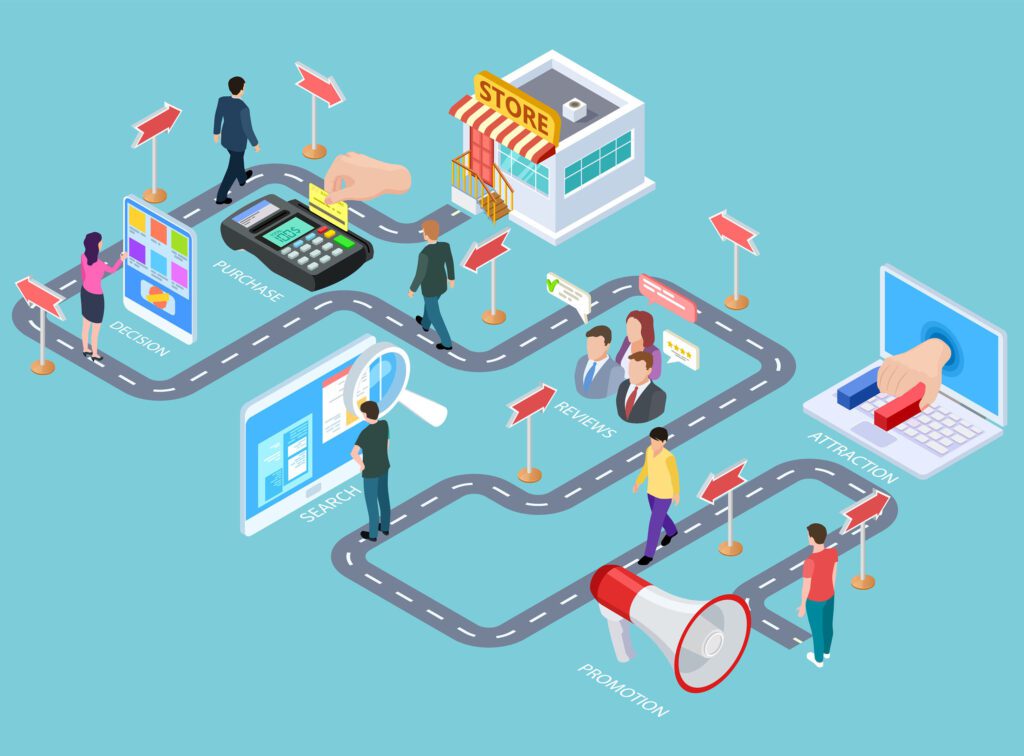
A brand experiential agency goes beyond visuals or messaging; it designs holistic journeys that engage senses, emotions, and behaviors. This involves mapping customer paths, identifying key moments for intervention, and crafting activations that leave lasting impressions. Unlike general agencies, an experiential focus prioritizes immersion, using physical and digital elements to make the brand tangible.
Core components include multi-sensory design—incorporating sight, sound, touch, and even scent—to evoke responses. For luxury brands, this might mean curated events that mirror exclusivity; for consumer goods, interactive installations that encourage participation. Semantic layers like customer journey orchestration, immersive touchpoints, and emotional brand equity are central, ensuring experiences reinforce positioning.
From our Dubai perspective, experiential agencies navigate cultural nuances effectively. We’ve developed activations for hospitality clients that blend local heritage with modern innovation, resulting in heightened engagement. This approach integrates UX/UI for digital extensions, ensuring seamless transitions from physical to online.
Moreover, experiential branding builds community. By facilitating shared moments, brands cultivate belonging, turning customers into ambassadors. In competitive sectors, this differentiation is vital—experiences are harder to replicate than products.
Why Traditional Branding Often Fails to Drive True Engagement
Many brands rely on product-centric or campaign-driven strategies, overlooking the power of experiences. This leads to superficial connections; customers buy once but don’t return or advocate. Traditional methods prioritize awareness over involvement, resulting in low retention.
A key failure is inconsistency across touchpoints. Disjointed experiences—elegant stores but clunky apps—erode trust. In digital-heavy markets, neglecting physical interactions misses emotional depth. McKinsey’s research on experience-led growth shows that companies excelling in customer experience achieve higher growth rates by focusing on holistic journeys.
Internal silos exacerbate issues; marketing handles ads, product teams focus on features, with no unified experiential vision. Resource limitations prevent ambitious activations. We’ve encountered clients with strong products but weak engagement due to these gaps.
Cultural misalignment is another pitfall, especially in diverse hubs like Dubai. Generic approaches fail to resonate locally. To overcome this, brands need specialized guidance. For foundational strategies that support experiential efforts, review our insights on robust brand strategy development.

Concepita’s Proprietary Framework: The ENGAGE Model
Our branding agency employs the ENGAGE Model—a proprietary framework tailored for experience-led initiatives. ENGAGE stands for Empathize, Narrative, Gather Sensory Elements, Activate Touchpoints, Generate Interactions, Evaluate Impact—a structured yet flexible approach proven in high-stakes environments.
Empathize: Understanding the Audience
Empathy starts with deep research into customer motivations, pain points, and aspirations. This informs every decision, ensuring experiences feel personal.
In practice, empathy mapping reveals opportunities, like addressing unmet emotional needs. LSI terms such as audience psychographics and journey mapping anchor this phase.
Narrative: Crafting the Story
Narrative weaves a compelling brand story that frames the experience. It’s not advertising; it’s storytelling that invites participation.
We’ve built narratives for retail clients, turning spaces into chapters of the brand tale.
Gather Sensory Elements: Multi-sensory Design
Gathering involves selecting visual, auditory, tactile, and olfactory cues to immerse participants.
Sensory design elevates events—custom sounds, textures, aromas—that make experiences memorable.
Activate Touchpoints: Orchestrating Moments
Activation deploys elements across channels, from events to digital.
Cross-channel activation ensures fluidity, like AR enhancements post-event.
Generate Interactions: Fostering Participation
Generation encourages active involvement—workshops, personalization stations—to co-create value.
Interactions build ownership, boosting advocacy.
Evaluate Impact: Measuring Outcomes
Evaluation uses KPIs to assess emotional and behavioral shifts, refining future efforts.
HubSpot’s examples of experiential campaigns illustrate how targeted activations drive measurable engagement.
The ENGAGE Model adapts cyclically.
Executing Experience-Led Branding: Practical Applications
Execution requires meticulous planning. Begin with journey mapping to pinpoint activation opportunities, followed by prototyping for refinement.
Design integrates aesthetics with functionality—elegant spaces that facilitate flow. Technology enhances, like interactive screens or VR.
Content production supports—videos capturing events for digital amplification. In Dubai, we’ve executed pop-ups blending art and commerce, driving footfall and social buzz.
Collaboration with stakeholders ensures alignment. Challenges like logistics are managed through agile planning.
Our branding work cover end-to-end execution, from concept to debrief, delivering impactful experiences.
Sustainability matters; experiences should align with values, enhancing authenticity.
Measuring Success in Experiential Branding
Measurement blends quantitative and qualitative metrics. Engagement rates—participation, dwell time—indicate immersion; NPS and sentiment analysis capture emotional impact.
Long-term, track loyalty metrics like repeat visits and referrals. Brand equity surveys reveal perception shifts.
Clients using ENGAGE see 20-40% engagement uplifts. Forbes notes experiential marketing’s role in building lasting connections through shared moments.
Tools like event analytics and post-experience surveys provide data for iteration.
Focused measurement proves ROI, guiding investments.
Common Pitfalls in Experience-Led Branding and How to Avoid Them
Overambitious scopes lead to diluted impact; prioritize quality over quantity.
Inauthenticity—forced experiences—repels audiences. Lack of inclusivity alienates segments.
Poor follow-up wastes momentum; no digital extension post-event.
Budget mismanagement or ignoring feedback hinders success.
Mitigation: Start small, test, scale with data. Consultancy provides objective oversight.
Conclusion: Partnering for Transformative Brand Experiences
Experience-led branding redefines engagement, turning interactions into enduring relationships. As your Dubai-based branding agency, we’re positioned to craft these pivotal moments, elevating your brand in meaningful ways. If ready to explore immersive strategies tailored to your vision, let’s begin the conversation—reach out via our contact page.
Frequently Asked Questions (FAQ)
What is a brand experiential agency?
A brand experiential agency designs immersive customer journeys that engage senses and emotions, driving deeper connections than traditional marketing.
How does experience-led branding improve engagement?
It creates memorable interactions that build emotional bonds, increasing loyalty, advocacy, and lifetime value.
How long does an experiential branding project take?
3-6 months for comprehensive strategies, including planning, execution, and evaluation.
How is success measured?
Through engagement metrics, NPS, equity scores, and behavioral data.
Can you work with existing teams? We collaborate to augment capabilities.
Interested in experience-led transformation? Contact us.