For years, we repeated Marty Neumeier’s definition like gospel:
“A brand is a person’s gut feeling.”
It was the right idea for its time — the Web 2.0 era.
But today, something deeper is happening.
Most people haven’t seen it yet because they’re still arguing about logos, platforms, and storytelling.
The real shift isn’t visual, digital or technological.
The real shift is psychological.
Branding is no longer about shaping perception.
It’s about shaping meaning — in a world where meaning is collapsing.
Let me explain.
The Death of Meaning and the Rise of Brand Fracture
Here’s the uncomfortable truth:
We don’t live in a world of shared narratives anymore.
Fragmented media, micro-communities, algorithmic bubbles — everyone lives inside their own reality.
This creates a new branding problem Marty didn’t have to solve:
Not “How do we shape one perception?”
But “How do we maintain coherence across hundreds of micro-perceptions?”
This is why brands feel schizophrenic today: the CEO says one thing, the social team says another, the community behaves differently, and TikTok interprets you however it wants.
Branding is no longer the alignment of visuals — it’s the alignment of realities.
This is the fracture most designers ignore.
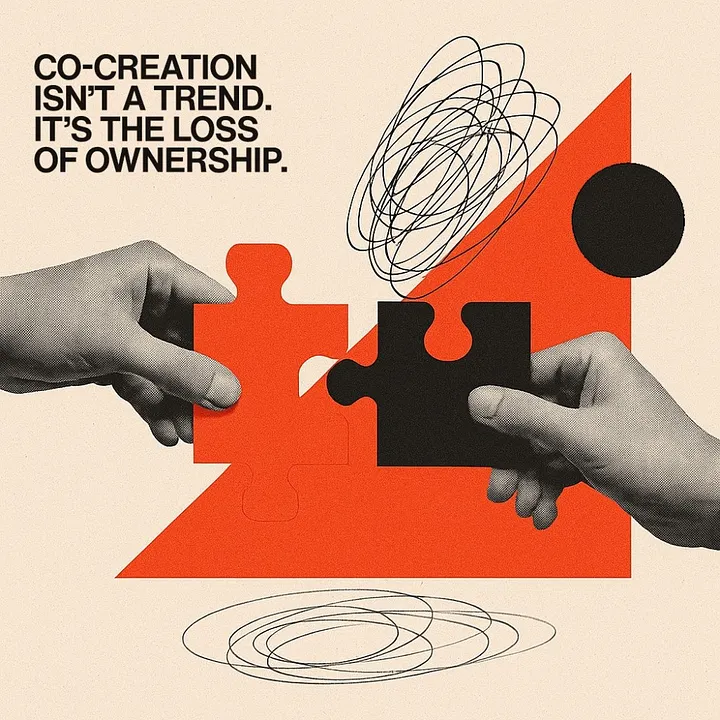
Co-Creation Isn’t a Trend — It’s the Loss of Ownership
People say, “Brands don’t control the message anymore.”
That’s old news.
The real tension is this:
You must invite participation without losing your center of gravity.
Co-creation without boundaries leads to chaos.
Control without participation leads to irrelevance.
Modern branding lives in the contradiction:
Hold the core firm.
Let the edges flex.
Brands fail when:
• the core is too soft → no identity
• the edges are too rigid → no participation
This tension requires a new skill:
Brand gravitational design — creating an identity strong enough to attract, but flexible enough to adapt.
That’s wisdom, not trend.
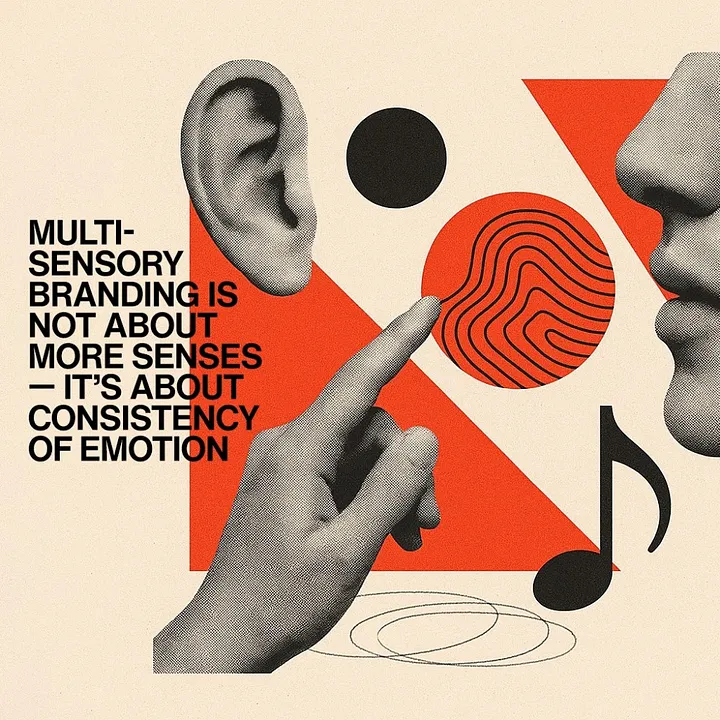
Multi-Sensory Branding Is Not About More Senses — It’s About Consistency of Emotion
Designers jump to sound logos, haptics, motion, VR/AR.
That’s execution.
The deeper insight:
Each sensory expression must deliver the same emotional outcome.
Spotify sounds like freedom.
Dyson feels like mastery.
IKEA smells like affordability.
Apple animates like inevitability.
Different senses.
Same emotional signature.
This gives rise to a system-level question:
What is the emotional constant your brand must deliver — no matter the medium?
If you can’t answer that, multi-sensory identity becomes noise, not meaning.

Identity Systems Don’t Need Modularity — They Need Elasticity
Everyone talks about modular identity, responsive design, dynamic systems.
That’s already industry standard.
The deeper requirement for 2026:
The identity system must stretch without breaking — like elastic, not Lego.
Elastic brands:
• expand to new markets
• shrink to micro-moments
• adapt to culture
• remain recognizable under stress
Lego brands:
• snap together cleanly
• but shatter under pressure
Elasticity is measured by one question:
What is the minimum viable expression of your identity that still feels unmistakably “you”?
If you know that, everything else can stretch.
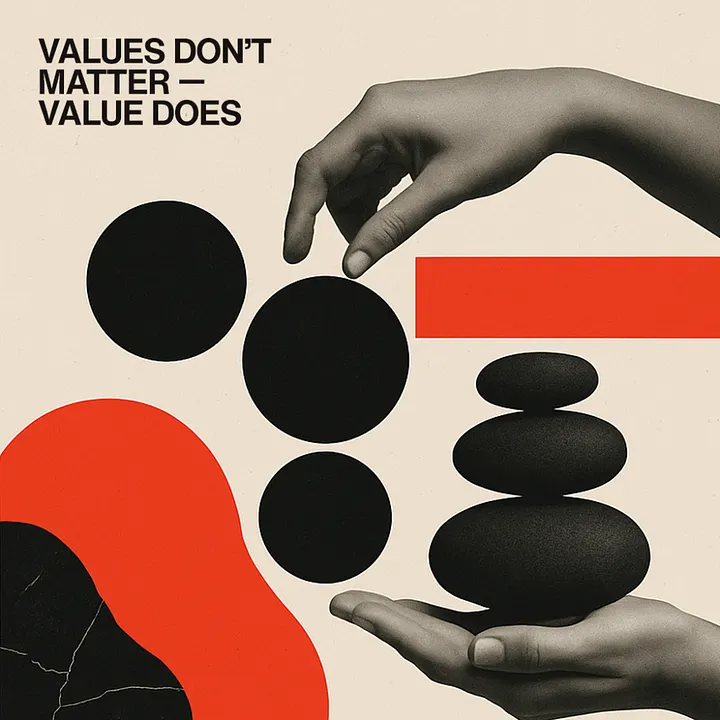
Values Don’t Matter — Value Does
Everyone says, “Brands must live their values.”
Yes, but shallow.
The 2026 contradiction:
**People no longer trust declared values.
They trust demonstrated value.**
Not value as in price.
Value as in contribution.
• What does the brand add to my identity?
• What does it add to my community?
• What does it add to my sense of meaning?
Modern brands succeed when they give people something to belong to, not just something to believe in.
This is why:
• Gymshark exploded
• Liquid Death built a cult
• Patagonia commands loyalty
• Tesla creates tribes — even in chaos
People don’t align with values.
They align with value delivered to their personal narrative.
This is the new psychology of branding.
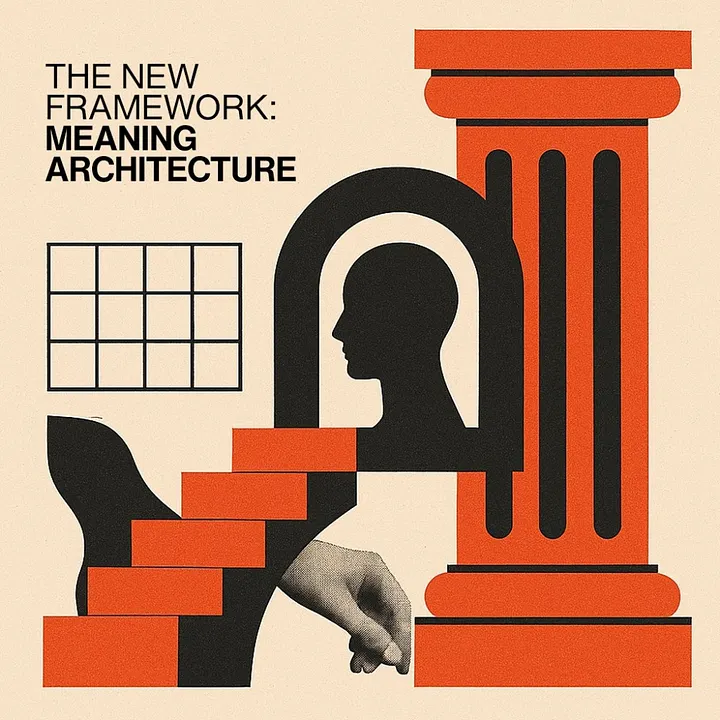
The New Framework: Meaning Architecture
Branding used to be:
Positioning → Identity → Experience.
Branding 2026 is:
1. Emotional Center (What must remain constant?)
2. Elastic Boundaries (What can flex?)
3. Contextual Meaning (What meaning does each audience seek?)
4. Co-Created Expression (How do we let people participate without losing the core?)
5. Behavioral Proof (How do actions reinforce meaning over time?)
This is the evolution of Marty Neumeier’s philosophy —
not a replacement, but a maturation.
**Conclusion:
Branding is no longer the management of perception.
It’s the orchestration of meaning across fragmented realities.**
If designers, strategists, and business leaders want to win in 2026, they must trade:
• aesthetics for emotion
• guidelines for elasticity
• storytelling for co-authorship
• values for value
• consistency for coherence
This is the next era of branding.
Not louder, not shinier, not trendier — deeper, more psychological, more human.