When I first stepped into the digital marketing world, I thought skills alone would speak for me. I believed that if I delivered good SEO results, clients and opportunities would naturally come. But I soon realized something important: in today’s noisy digital space, doing the work is only half the journey. The other half is being seen, remembered, and trusted.
That’s where personal branding comes in.
By 2025, personal branding isn’t a luxury — it’s survival. LinkedIn, Medium, Twitter, YouTube, and even niche communities are overflowing with talented professionals. The question is no longer, “Do you have skills?” The question is, “Why should someone choose you over dozens of others with the same skills?”
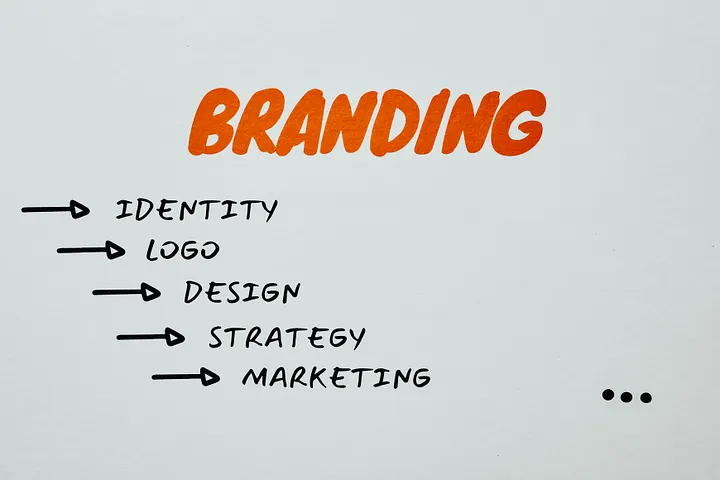
Your personal brand answers that. It’s not just about logos or polished headshots. It’s about positioning yourself as a trusted authority, building visibility in your niche, and showing the human story behind your expertise.
Why Personal Branding Matters for Marketers & SEO Specialists
Think of SEO itself. A website without authority signals struggles to rank. In the same way, a professional without a brand struggles to stand out.
Search engines reward EEAT — Experience, Expertise, Authority, and Trust. And so does the market. Clients, recruiters, and peers want to see evidence of your expertise, not just a resume.
In consultancy, I’ve noticed a pattern: two professionals with similar skills can end up with completely different career outcomes. The one who actively builds a personal brand — publishing insights, optimizing their LinkedIn, showing case studies — gets invited into bigger rooms. The other, who works just as hard but remains invisible, keeps waiting for opportunities that rarely come.
The difference isn’t talent. It’s visibility.
Step One: Clarify Your Story
A personal brand begins with clarity, not platforms. Before you rush into posting, ask yourself
- What is my core expertise? (SEO, content marketing, paid ads, analytics?)
- Who do I want to reach? (clients, employers, students, peers?)
- What story connects my skills to my values?
For example, when I started training SEO students, I framed my story not as “I know keywords and analytics” but as “I help people build patience, clarity, and results through SEO.” That mindset story connected with people more than just technical talk ever could.
Your brand becomes stronger when it’s not just about what you do, but why you do it.
Step Two: Optimize Your LinkedIn Presence
LinkedIn is the most underrated SEO platform. Your profile is a search result — ranked by keywords, optimized by activity, and judged by clarity.
Some essentials that often get ignored
- Headline as your pitch. Don’t just write “Digital Marketing Specialist.” Show value: “Helping businesses grow through SEO & content strategy.”
- About section as a story. Instead of a dry list of skills, narrate your journey. Share how you started, what you’ve learned, and who you help.
- Featured section as proof. Pin case studies, articles, or client testimonials here. Authority is built through evidence.
- Engagement as visibility. Comment thoughtfully on industry posts. Share insights weekly. LinkedIn rewards consistency.
When done right, LinkedIn becomes more than a CV — it becomes your brand’s landing page.
Step Three: Publish With Purpose
Consistency in publishing is one of the fastest ways to establish authority. But here’s the trap: many professionals try to write everything for everyone. The result? Diluted impact.
Instead, build a publishing framework.
- Choose 2–3 content pillars. For SEO professionals, this could be: technical SEO, content strategy, and personal growth in digital marketing.
- Mix formats. Long-form Medium articles, short LinkedIn posts, carousels, or even video snippets.
- Share lived experience. Don’t only talk about “Google updates.” Share how you handled a ranking drop, or how a campaign transformed a client’s sales.
Audiences don’t connect to textbook explanations. They connect to real stories of application.
Step Four: Authority Signals (Your EEAT in Action)
Just as a website needs backlinks to rank, your brand needs authority signals. These can include:
- Guest contributions. Writing for industry blogs or newsletters.
- Speaking engagements. Webinars, podcasts, conferences — even small sessions add weight.
- Case studies. Documenting real client results in a structured way.
- Community leadership. Running a workshop, mentoring juniors, or even hosting Q&A sessions.
Every time you share proof of your expertise, your brand earns trust.
With or Without a Website?
One common question I get: “Do I need a personal website for my brand?”
The answer: not necessarily.
A website is powerful for long-term authority — your own domain, your own content hub. But I’ve seen professionals build strong brands purely on LinkedIn and Medium. They treated these platforms as their “digital home,” consistently posting insights and building an audience.
That said, if you want control over your digital footprint — owning your name as a domain, curating your best work — then a website is worth the investment. Think of it as your “central hub,” while platforms like LinkedIn are “distribution channels.”
Lessons From My Own Journey
When I started writing and teaching, I didn’t have a big following. My posts barely reached a handful of people. But I kept publishing. I optimized my profiles. I shared stories, not just strategies.
Slowly, people started reaching out — first with questions, then with opportunities. Clients began saying, “I found your article on Medium.” Students said, “I follow your posts on LinkedIn.”
That’s when I realized: personal branding is not about overnight fame. It’s about showing up consistently, building trust brick by brick, until one day, your presence speaks before you do.
Why 2025 Is the Year to Start
The market is more crowded than ever. Generative content tools are everywhere, job competition is global, and attention spans are shrinking. The professionals who thrive won’t just be the most skilled — they’ll be the most visible, the most trusted, the most relatable.
Personal branding is no longer optional. It’s the difference between waiting for opportunities and creating them.
Closing Thoughts
For SEO and digital marketing professionals, the best personal brand is built the same way you build a high-ranking website: with patience, clarity, authority signals, and consistent updates.
It’s not about being flashy. It’s about being clear, authentic, and consistent.
So if you’ve been waiting for the right time to build your personal brand, let me say this: 2025 is your time. Start small. Share your story. Show your expertise. Step by step, your brand will grow into the opportunity magnet you need.
What’s the first step you would take to build or strengthen your personal brand this year?