Win attention fast or lose it forever
I’ve always struggled with introductions.
Sometimes I rush through them to get to the heart of the article.
Other times, I pad them with flashy stats or borrowed quotes, hoping they’ll grab attention.
Neither works.
That’s why I’ve always admired Stephen King’s dedication to mastering the opening hook — a cornerstone skill that has helped him consistently produce books that grab readers from the very first line.
He rewrites his first lines over and over — sometimes for months, even years — before he’ll start a book. He knows the hook can make or break everything that follows.
Yes, he writes horror novels — not online content — but his obsession proves a truth every writer secretly knows:
If the first few sentences don’t land, the rest–no matter how well-written–doesn’t matter. The reader is gone.
King’s focus on the first few lines made me wonder: if bestselling authors spend this much effort on a single hook, what can nonfiction writers — or content creators — learn by studying them?
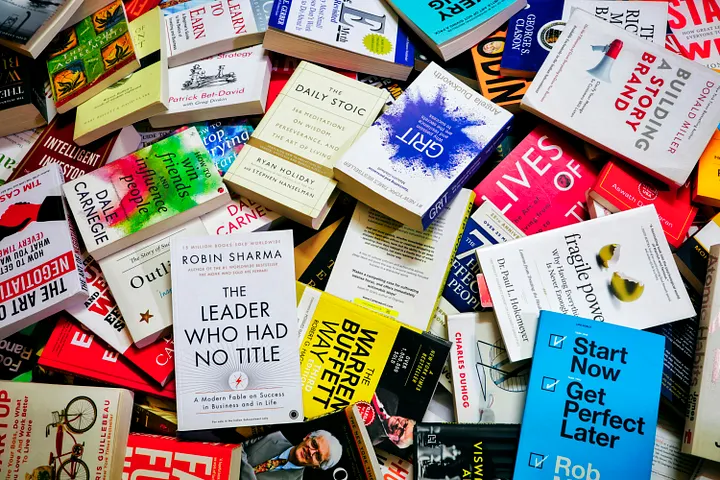
So I pulled 57 bestselling nonfiction books from my shelf — from Atomic Habits to When Breath Becomes Air to Kitchen Confidential — and obsessed over their openings.
The pattern was clear. The best openers all did one thing brilliantly:
- They anticipated the reader’s hesitation — the subtle why should I care?
- They answered it immediately.
- They tackled quiet objections I hadn’t even noticed, the tiny turn-offs that make readers click away.
Across these books, I noticed five hidden objections that consistently make readers bail. Mastering them is the key to grabbing attention in the first few lines.
By the end of this article, you’ll know exactly what those objections are, why they matter, and how to neutralise them — so your readers stay hooked from the very first sentence.
Obstacle #1: Suffering a slow start
Most writers open cautiously — lingering on context or background long after the reader has mentally checked out. The bestselling authors I studied? They drop us straight into action.
Paul Kalanithi in When Breath Becomes Air:
“I flipped through the CT scan images, the diagnosis obvious: the lungs were matted with innumerable tumors, the spine deformed, a full lobe of the liver obliterated.”
James Clear in Atomic Habits:
“On the final day of my sophomore year of high school, I was hit in the face with a baseball bat.”
No introductions. No throat-clearing. Just a moment that makes you ask: what happens next?
Why this works:
Humans are wired for drama. Mirror neurons fire when we witness someone in crisis, making us feel it too. Once empathy is triggered, we’re invested instantly.
When to use it:
Pick this technique — also called In Medias Res — when you have a compelling story with clear characters and high stakes.
Instead of:
“Freelancers often deal with difficult clients.”
Try:
“It was 3 a.m. when my phone buzzed. My client was hysterical, demanding a refund. My hand shook as I answered.”
One version tells a truism; the other throws the reader into the belly of the beast. That’s the difference.
Obstacle #2: Overwhelming readers with complexity
Not every hook needs fireworks.
Often, your reader is already interested — they just want a smooth way in. Some topics can feel intimidating — think finance or the neurochemistry of crustaceans. Overload them with jargon or abstract ideas, and they’ll click away.
Chris Guillebeau in Gonzo Capitalism:
“At some point in recent history, the global economy stopped making sense.”
Jordan Peterson in 12 Rules for Life:
“If you are like most people, you don’t often think about lobsters — unless you’re eating one.”
Both are playful, accessible, and set the stage for bigger ideas without intimidating the reader.
Why this works:
Starting with a simple, easy-to-grasp observation lets readers warm up. Like a batter taking a few soft pitches before a fastball, they gain confidence and are ready for more complex ideas.
How to use it:
This works best when your audience might feel unsure or overwhelmed.
Instead of:
“Google’s AI Overviews are reshaping entity-level SERP dynamics.”
Try:
“Today, when you ask Google a question, the answer often shows up on the results page — no clicks required.”
One smacks the reader with complexity; the other gently brings them in, making engagement easy.
Obstacle #3: Struggling to earn trust
Personal stories risk being boring if they don’t reveal something meaningful. The right anecdote builds intimacy and trust.
Anne Lamott in Bird by Bird:
“I grew up around a father and a mother who read every chance they got, who took us to the library every Thursday night to load up on books for the coming week.”
Malcolm Gladwell in What the Dog Saw:
“When I was a small child, I used to sneak into my father’s study and leaf through the papers on his desk.”
They don’t tell you they love books or curiosity — they let you see it.
Why this works:
Stories make your thinking visible. A single vivid memory shows your values and worldview more effectively than a list of traits.
How to use it:
Reach for a personal story, memory, or detail that reveals how you see the world.
Instead of:
“Knowing what your customers want is essential to making them buy.”
Try:
“I once stood in a supermarket aisle, timing shoppers choosing between two nearly identical cereals — the box with the smiling child won almost every time.”
Now I know you: observant, analytical, maybe a little eccentric. That glimpse makes your argument far more persuasive.
Obstacle #4: Drowning in the noise
Strong opinions carry risk. A lukewarm take is forgettable; a reckless take is alienating. But a calibrated hot take sparks curiosity and credibility.
Anthony Bourdain in Kitchen Confidential:
“Don’t get me wrong: I love the restaurant business.”
It’s conspiratorial — like he’s leaning across the table, wine glass in hand, about to spill the messy truth. The real hook isn’t that he loves restaurants — it’s the unspoken but that follows.
Stephen King in On Writing:
“I was stunned by Mary Karr’s memoir, The Liars’ Club.”
From a writer of King’s stature, that burst of judgment lands like a small shock.
Why this works:
Readers lean in when you stake out a position. A strong stance signals confidence — and makes people curious to see how you’ll defend it.
When to use it:
Use this when your reader already knows the topic, and you want to slice through the noise.
Instead of:
“Remote work is becoming increasingly common.”
Try:
“The open-plan office was the worst corporate mistake of the past fifty years.”
Now the reader’s hooked — they may disagree, but they’ll stick around to see if you can back it up.
Obstacle #5: No Skin in the Game
Credentials risk feeling boastful or invisible. The trick: slide them in subtly, giving the reader a reason to trust you.
Steven Pinker in The Sense of Style:
“In the course of several decades giving public lectures on language, mind, and human nature, I have been asked some mighty strange questions.”
Yvon Chouinard in Let My People Go Surfing:
“I’ve been a businessman for sixty years.”
Both establish authority without egotistical self-congratulation.
Why this works:
Specific credentials and real-world achievements establish trust fast. They separate you from every other “guru” on the internet.
How to use it:
If your content offers advice, methodology, or instruction, illustrate why the reader should listen.
Instead of:
“Cold DMs are an underrated way to drive revenue — if you’re not doing them, you’re missing out.”
Try:
“Over the past three years I closed 86 deals worth £1.2M through cold LinkedIn messages — here’s the exact four-step sequence I used.”
Numbers and methods do the talking. Your quiet authority earns attention in a way that loud claims never could.
Conclusion
The right hook isn’t a small detail — it’s the moment your reader decides whether to keep going or click away. It’s the bridge between being noticed and being remembered.
After studying 57 bestselling nonfiction openers, one truth stood out: the best writers don’t chase attention — they earn it by anticipating every reason a reader might turn away.
That’s the quiet power of a great hook. It dissolves doubt before it forms. It invites curiosity, trust, and momentum.
And when your first line disarms hesitation and draws readers in, you don’t just win their attention — you give your words a real chance to stay with them.