There’s a reason we crave certain brands, not because of what they sell, but because of how they make us feel about ourselves.
And there’s a reason most brands still don’t understand this simple truth:
People don’t buy products. They buy stories that mirror their desires.
The psychology of desire sits at the very core of branding… it’s what turns a business into an identity, a logo into a lifestyle, and a product into a reflection of who we want to become.
But to understand how to build brands that tap into desire, we must first understand where desire comes from in the human mind.
The Root of Desire

Desire isn’t born from logic. It’s born from lack, from something missing in our emotional landscape that we subconsciously try to fill.
Every human desire is a bridge between what we have and who we think we’ll be once we get something more.
That “something” could be power, love, validation, belonging, control, freedom, or identity.
And brands, knowingly or not, are in the business of fulfilling that gap.
Think about it:
A fitness brand doesn’t sell workouts. It sells control — the feeling of mastering your body.
A luxury watch brand doesn’t sell time. It sells significance — the feeling that your existence matters enough to be noticed.
A tech company doesn’t sell devices. It sells empowerment — the idea that you can achieve more, faster.
When you understand that desire is simply the emotional expression of a perceived void, you stop marketing to demographics and start marketing to psychological states.
The Silent Mechanism: Association
Press enter or click to view image in full size
The human brain is constantly creating shortcuts. It links emotions with symbols.
And in branding, those symbols — colors, words, tones, and images — become the emotional handles people hold onto when making decisions.
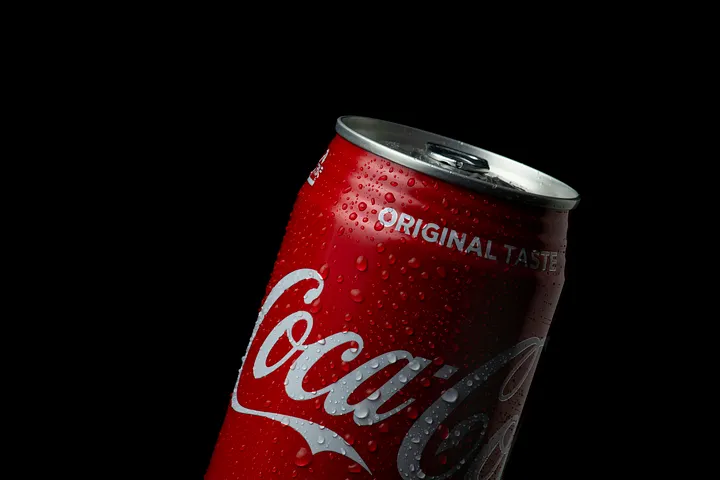
That’s why when you think of Coca-Cola, you don’t think “carbonated sugar water.” You think “happiness,” “togetherness,” or “nostalgia.”
When you see Apple, you don’t think “tech device.” You think “innovation,” “simplicity,” or “different.”
These associations are not accidents. They are engineered emotional anchors.
A brand that understands desire uses consistent emotional cues to condition the brain to feel something first before thinking.
Because in truth, we don’t decide and then feel.
We feel, and then we decide.
Desire and Identity: The Mirror Effect

The reason branding is powerful isn’t because it tells stories.
It’s because it tells our stories back to us, but in a more desirable form.
We see ourselves in brands. We project our aspirations, insecurities, and unspoken dreams into them.
That’s why when a brand truly resonates, it feels personal.
It’s the mirror effect.
When a brand reflects who we want to be, we feel seen.
That’s why people wear Nike, not just because they like sports, but because they want to feel like the version of themselves that “just does it.”
That’s why people follow personal brands that embody courage, clarity, or luxury … they aren’t following the person, they’re following the emotion that person represents.
At its core, branding is identity engineering.
It’s crafting a story that allows people to momentarily step into the version of themselves they wish to be through you, your product, or your message.
The Layers of Desire in Branding
Press enter or click to view image in full size

Desire operates in layers. Each layer carries a different type of emotional magnetism.
And the strongest brands know how to speak to all three:
1. The Functional Layer
This is where most brands stop.
It’s about what the product does — “It’s faster, cheaper, more durable.”
Yes it’s important but it’s not what people desire.
It’s what they rationalize after they’ve already desired.
2. The Emotional Layer
This is the heart of branding.
It’s about how the brand makes people feel — seen, powerful, free, beautiful, confident, in control.
This is where emotional storytelling, imagery, and tone live.
When done right, it bypasses logic and hits the limbic system(the part of the brain that drives decision-making).
3. The Aspirational Layer
This is the deepest layer. This is where a brand becomes a vehicle for identity.
It’s not about what the product does or even how it feels , it’s about who the buyer becomes because of it.
This is the psychology of transformation.
At this level, the brand represents a belief system and desire becomes devotion.
How Brands Engineer Desire
Press enter or click to view image in full size

The process isn’t manipulative when done with integrity… it’s understanding human behavior to create real connection.
Here’s how it happens psychologically:
1. Clarify the Emotional Gap
Every audience has an unmet desire. It could be belonging, mastery, validation, or freedom.
Your job as a brand is to identify that emotional void not through surveys, but through empathy.
Ask: “What do these people secretly crave when they engage with this category?”
The simple truth is that no one buys skincare just for clear skin. They buy it for confidence.
No one buys perfume for the scent. They buy it for presence.
2. Create Symbolic Triggers
Desire is sustained through cues.
Your color palette, typography, and storytelling style should all symbolize the emotion you’re selling.
For example, muted tones and calm photography communicate clarity or peace.
Bold typography and contrast communicate power or rebellion.
People remember what they feel more than what they see.
So design for feeling first.
3. Tell Transformational Stories
Stories are how we make sense of our desires.
When your storytelling consistently reflects the journey from “before” to “after,” you activate desire.
That’s why brand storytelling isn’t about showing perfection, it’s about showing progression.
You’re not saying “look at me,” you’re saying “look at what’s possible.”
4. Create Emotional Consistency
Desire fades when people can’t predict how they’ll feel around your brand.
That’s why consistency matters more than creativity.
Your visuals, tone, and message should always lead back to the same emotional place.
You can change what you say, but not what people should feel when they encounter you.
That’s how desire becomes loyalty.
Why Desire Drives Loyalty
People don’t stay with brands because they’re the best.
They stay because of how those brands make them feel about themselves.
That’s why someone will remain loyal to a brand even when a competitor is cheaper or better because switching would mean changing the story they tell themselves about who they are.
That’s the real moat.
The emotional cost of switching is often higher than the financial one.
If you can create an emotional reality where your audience feels seen, empowered, or elevated, you’ll never have to fight for attention because you’ll have something stronger: emotional equity.
The Shadow Side of Desire

Every brand that understands desire must also understand restraint.
Because desire can easily become dependence for both the audience and the brand.
When a brand builds its entire identity around fulfilling desire without delivering real value, it becomes a mirage.
And when audiences realize the emotional promise was hollow, trust collapses.
That’s why authentic brands don’t create desire just to sell, they create desire to serve.
They use psychology not to manipulate emotion, but to mirror it and in doing so, they help people evolve closer to who they truly want to be.
Designing Desire with Integrity

The question every brand strategist or founder or brand owner should ask is:
Am I amplifying authentic desire or manufacturing false need?
The former builds connection.
The latter breeds exhaustion.
When you build from truth (from real human emotions, not artificial scarcity ) desire becomes a force for growth, not greed.
It turns branding from persuasion into resonance.
The most magnetic brands don’t convince people to want something new.
They remind them of what they’ve always wanted but didn’t know how to express.
Finally,

At its essence, desire is the thread that weaves emotion, meaning, and behavior into one.
To understand desire is to understand human nature and to understand human nature is to master branding.
The brands that endure are not the loudest.
They are the ones that understand the quiet psychology of why we want what we want.
They speak to the hidden motives beneath the metrics, the feelings beneath the features.
And they never forget that desire, at its core, is not about products.
It’s about people trying to feel whole again.
When a brand gives people that, not through illusion, but through truth , it transcends marketing.
It becomes meaning.