The term “brand strategy” is frequently used, applied, and marketed to companies today. However, there is a significant challenge: few people truly understand its meaning, and even fewer recognize its necessity. Despite this lack of understanding, the current competitive market demands a robust brand strategy for business success.
A well-defined brand strategy is crucial, as it can help your company gain market share, communicate your brand’s value, connect with your target audience, and ultimately differentiate you from competitors. This article will explore the meaning of brand strategy and guide you through the steps to develop an effective one, ensuring your brand is prepared for both today’s and tomorrow’s markets.
What is brand strategy?
Brand strategy, in a nutshell, is there to explain why your product or service is better, cooler, and more significant than the competition. It clarifies why what you offer matters. This multidimensional concept distinguishes one business from another, defining the unique DNA of an enterprise. It becomes the heartbeat of the business, shaping how the target audience perceives the company, its services, and products. This strategy materializes through brand-design assets, visual elements, a distinct voice, and even sensory experiences, reflecting the core values and personality of the brand.
The applied brand strategy varies for each business problem. While there isn’t a universal playbook for every situation, certain strategic components are consistently present in every new project. These are what we will discuss in this article.

Step 1: Define your brand core and purpose
Your brand core is the foundation of your brand. It consists of the mission, vision, purpose, and values that help your brand connect with various stakeholders. Among these, your brand purpose may be the most crucial element to start with. This is the fundamental reason your brand exists beyond making a profit. It’s what drives your business and inspires your audience. A clear and compelling brand purpose helps to create an emotional connection with your customers.
Tips for identifying your brand’s purpose:
-
- Reflect on why you started your business
-
- Consider the impact you want your brand to have on the world
-
- Ask yourself what sets your brand apart from others
Here are some examples of successful brand purposes:
Nike: To bring inspiration and innovation to every athlete in the world.
Tesla: To accelerate the world’s transition to sustainable energy.

Step 2: Understand the problem and identify your audience
Defining a key problem for your brand to address is crucial. You need to know what you are solving for your potential clients and customers, as well as understand who they are. Knowing your audience is essential for shaping a brand strategy that resonates. Understanding their needs, preferences, and behaviors will help you effectively tailor your brand message.
I suggest some easy methods for researching and defining your target audience:
-
- Conduct surveys and interviews
-
- Analyze your competitors’ audiences
-
- Use social media insights and analytics tools
Creating audience personas
Develop detailed profiles representing your ideal customers, including demographics, interests, pain points, and buying behaviors. This helps humanize your audience and tailor your strategy to meet their needs.

Step 3: Analyze the competition
How do you know what differentiates you if you don’t know your competition? That’s why competitive analysis allows you to understand the market landscape and identify opportunities to differentiate your brand. Moreover you could find potential market gaps to fill in and position your service as a premium option.
Here are some tools you can use today for analyzing competitors:
-
- Use SWOT analysis (strengths, weaknesses, opportunities, threats)
-
- Use SEO tools like SEMrush or Ahrefs for online visibility insights
-
- Monitor competitors’ social media and marketing campaigns
Identifying opportunities on the market
Look for areas where competitors are lacking and where your brand can excel. This could be through better customer service, innovative products, or unique branding. 
and positioning
This is the crème de la crème o
Step 4: Develop your brand strategy
f the strategy process. With the information gathered so far, it’s time to create a clear differentiation and competitive advantage for your business by crafting your strategic and positioning statements. Brand positioning is about how you want your brand to be perceived in the minds of your audience and represents your brand’s unique value proposition.
How to create a unique and effective brand positioning statement:
-
- Identify your target audience
-
- Understand who your ideal customers are and what they value
-
- Determine the category your brand competes in
-
- Define the market or industry in which your brand operates
-
- Highlight your brand’s unique benefits
-
- Emphasize the distinct advantages your brand offers
-
- Provide reasons to believe in your brand’s promise
-
- Offer evidence or testimonials that support your brand’s claims and build trust with your audience
And here are some methods for developing your brand strategy:
-
- Differentiation: identify what sets your brand apart from competitors. This uniqueness should fulfill the specific needs of your target audience.
-
- Strategy statement: develop a clear and concise statement that defines your brand’s purpose, vision, and key strategies for addressing its primary challenge. This statement will guide all branding efforts and ensure consistency across all brand activities.
-
- Tactics: implement tactics that align with your strategy and positioning. This includes marketing campaigns, content creation, social media engagement, and other initiatives to reinforce your brand’s message.
Examples of strong brand positioning statements:
Apple: Innovative technology for creative individuals.
Amazon: The go-to online marketplace for convenience and variety.
Now create your brand identity
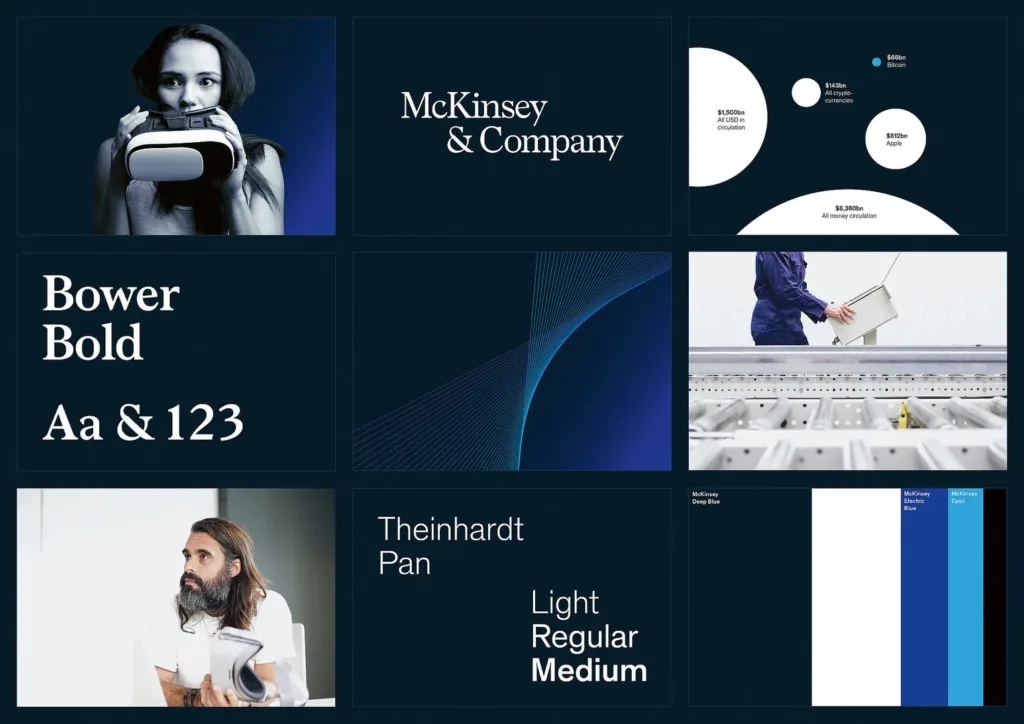
What comes next after crafting your strategy? Now it’s time to develop the visual, verbal, and multi-dimensional experiences related to the strategy. Brand identity includes the visual and tangible elements that represent your brand, such as the logo, colors, typography, social media templates, emails, interior design, website, and more. A consistent brand identity helps build recognition and trust among your audience.
Here are some foundational elements of brand identity:
-
- Logo: your logo should be simple, memorable, and reflective of your brand. It is the cornerstone of your brand identity and should convey the essence of your brand at a glance.
-
- Colors: choose a color palette that evokes the right emotions and aligns with your brand’s values. Colors play a crucial role in brand recognition and can influence how your audience perceives your brand.
-
- Typography: select fonts that are legible and convey your brand’s personality. Typography should be consistent across all your brand’s materials to ensure a cohesive look and feel.
Consistency ensures that every interaction with your brand feels familiar and reliable. This familiarity builds customer trust and loyalty, as it creates a seamless and professional appearance that reinforces your brand’s credibility.
Craft your brand voice and messaging
Voice and messaging are crucial representations of your branding. Is your brand serious or friendly, grumpy or funny? Your voice is the tone and style in which you communicate with your audience. It should be consistent across all channels and reflect your brand’s personality.
How to develop and maintain a consistent brand voice:
-
- Define your brand’s personality traits (e.g., friendly, professional, witty)
-
- Create a brand voice guide with examples and rules
-
- Train your team to use the brand voice consistently in all communications
Tips for effective brand messaging:
-
- Be clear and concise
-
- Focus on the benefits and value your brand offers
-
- Use language that resonates with your target audience
What’s next
Branding is a continuous process, and brand strategy is a tool any company can use to turn challenges into opportunities. There is no one-size-fits-all method; you can always get creative to find what works best for your specific problem. Regularly revisiting and refining your brand strategy is crucial to staying relevant and competitive. Start the brand strategy process today to define what makes your brand special, ensuring your brand stands out and resonates with your audience.